
Protecting Your Baby's Brain: 9 Habits to Break for Healthy Development
Every parent wants the absolute best for their baby, hoping to see them grow up healthy, curious, and strong. However, sometimes we unknowingly adopt everyday habits that can negatively impact a child's early brain development. The first few years of life are critical for brain wiring, building the foundation for memory, communication, and emotional regulation.

Based on insights from the Little Nest Guide, here are nine dangerous habits to avoid and safer practices to replace them with:
1. Overusing Screens Near Your Baby
One of the most harmful habits is exposing infants to too much screen time, even if the content claims to be "educational". Babies thrive on real human interactions—talking, eye contact, and play. Relying on screens to entertain them drastically reduces the time they receive responsive feedback and language exposure.
2. Inconsistent Sleep Schedules
A baby's brain thrives on routine and predictability. Irregular sleep patterns, constantly shifting naps, or staying up late disrupts the brain's ability to form stable neural connections, particularly those involved in memory, attention, and emotional regulation. Furthermore, an overtired baby experiences cortisol spikes that over-activate stress circuits.
3. Ignoring "Serve and Return" Interactions
Babies learn through back-and-forth communication—they coo, and you respond; you talk, and they babble back. This is called "serve and return," and it is fundamental for brain growth. Some parents fall into the habit of ignoring these cues under the guise of teaching independence, but doing so robs the baby of critical stimulation and attachment security.
4. Exposing the Baby to Chronic Stress
When a baby is consistently exposed to loud arguments, yelling, or harsh discipline, their brain is flooded with stress hormones like cortisol. Prolonged high cortisol levels can damage brain areas like the hippocampus and prefrontal cortex, impairing future memory, attention, and learning.
5. Neglecting Proper Nutrition
The rapidly developing brain requires essential building blocks like fats, proteins, vitamins, and minerals. Skimping on these nutrients, delaying the introduction of healthy foods, or limiting breastfeeding (when possible) can stunt brain development. Breast milk contains neuroprotective factors like DHA and choline.
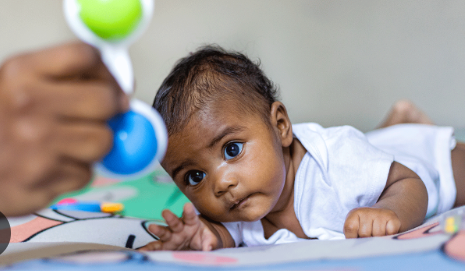
6. Lacking Safe Movement and "Tummy Time"
Brain circuits related to vision, motor skills, spatial awareness, and coordination develop directly through physical movement. Leaving a baby confined to their back, a swing, or a seat for too long slows motor development and the associated brain areas.
7. Overprotecting and Limiting Exploration
While safety is paramount, never letting a baby touch objects, get messy, or explore textures can severely impair their curiosity, problem-solving skills, and neural flexibility. If every surface is immediately sanitized and every toy is locked down, cognitive development opportunities are lost.
8. Continuous Pacifier Use Without Limits
While pacifiers are comforting, overusing them past early infancy can become a crutch. If a baby constantly self-soothes with a pacifier instead of seeking social comfort, they miss out on vital opportunities for vocal practice, self-settling strategies, and communication bids.
9. Delayed Language Exposure
A silent home is a massive, missed opportunity for a growing brain. Babies build language circuits when caregivers describe actions, label objects, and read to them. Speaking too little or strictly in "baby talk" limits their cognitive foundation.